


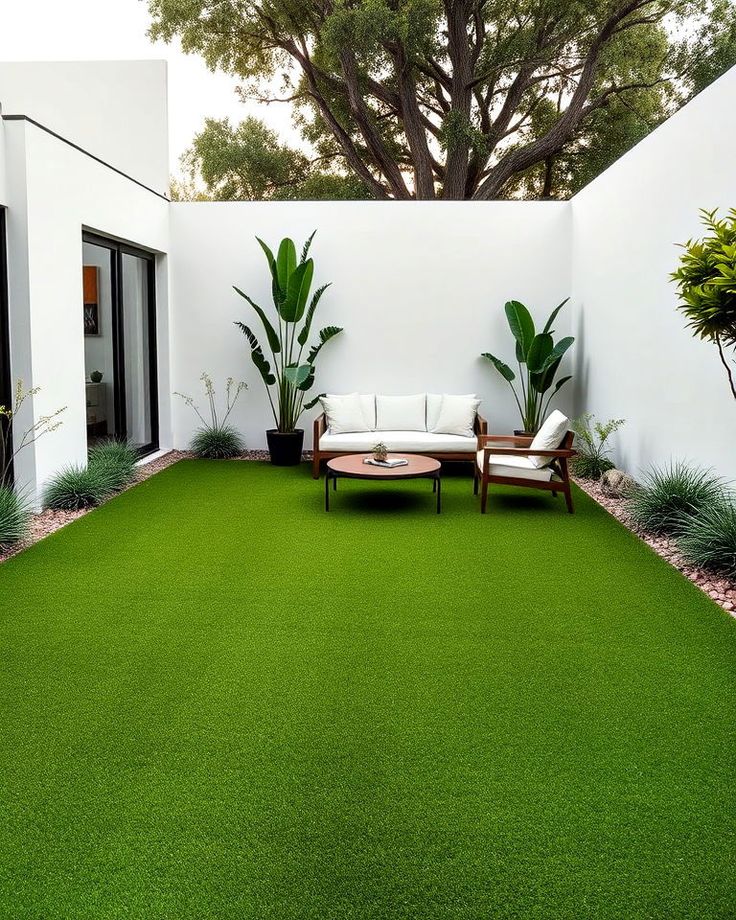
Creating an attractive outdoor space does not have to involve constant mowing, watering, or time-consuming lawn maintenance. Artificial turf offers a practical solution for homeowners who want a consistently green and inviting garden throughout the year. With its realistic appearance and durable construction, synthetic grass can transform ordinary outdoor areas into comfortable spaces for relaxation, recreation, and entertaining guests. By choosing the right artificial turf and ensuring professional installation, homeowners can enjoy a beautiful lawn with considerably less ongoing maintenance.
Creating a Beautiful Green Lawn Throughout the Year
One of the most appealing advantages of artificial turf is its ability to maintain a fresh, green appearance in different weather conditions. Unlike natural grass, which can become patchy, discoloured, or dry during periods of heat and limited rainfall, synthetic grass is designed to retain its visual appeal with minimal care. This makes it a suitable option for homeowners who want an attractive garden without relying on frequent watering or seasonal lawn treatments. Modern artificial turf is available in various shades, pile heights, and textures, allowing property owners to choose a finish that complements their outdoor design. Whether used in a compact courtyard or a spacious backyard, the right turf can create a neat and welcoming appearance.
Artificial turf also provides greater flexibility when designing outdoor spaces with different purposes. Homeowners can use it to create defined lawn areas, enhance garden pathways, or introduce a softer surface around outdoor seating arrangements. Its consistent colour and texture can help connect different landscaping elements, creating a more coordinated and polished environment. For properties where natural grass struggles to grow because of shade, heavy foot traffic, or soil conditions, synthetic grass can offer an alternative worth considering. Selecting a product with realistic grass blades and an appropriate density helps achieve a natural-looking finish that blends well with surrounding plants, paving, and decorative features.
Reducing Lawn Maintenance and Saving Time
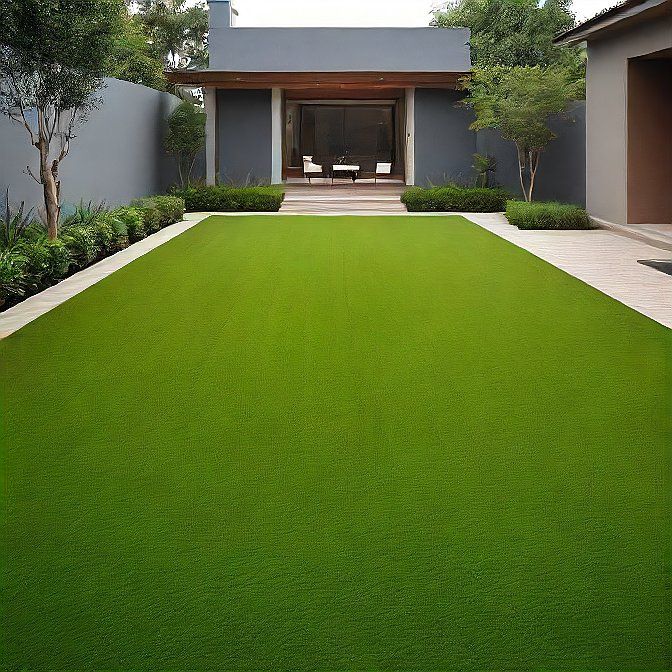
Maintaining a natural lawn often requires regular mowing, edging, fertilising, watering, and weed control. These tasks can take considerable time, particularly for households with large gardens or busy schedules. Artificial turf reduces many of these routine responsibilities because it does not need mowing or fertilising to maintain its appearance. Homeowners can spend less time managing lawn care and more time enjoying their outdoor environment. Although synthetic grass still requires occasional cleaning and brushing, its overall maintenance demands are generally lower than those of a conventional lawn.
The reduced need for regular watering can also make artificial turf an attractive option for properties where water conservation is a priority. Natural grass may require substantial irrigation during hot weather, while artificial turf stays green without routine watering for growth. Occasional rinsing may still be useful for removing dust, pollen, or certain spills, depending on the location and use of the lawn. It is important to consider the full environmental picture, including the materials used to manufacture synthetic grass, its lifespan, drainage requirements, and eventual disposal. By comparing these factors alongside maintenance needs, homeowners can make a more informed decision about whether artificial turf suits their property and lifestyle.
Designing Functional Outdoor Areas for Everyday Living
Artificial turf can help turn underused outdoor areas into practical spaces for everyday activities. A small backyard, balcony garden, or courtyard can feel more inviting when a soft green surface replaces bare soil or worn paving. Homeowners can combine synthetic grass with outdoor furniture, raised garden beds, decorative stones, or timber features to create a comfortable and visually appealing layout. These combinations allow different parts of the garden to serve specific purposes without making the overall design feel disconnected. With thoughtful planning, even a limited outdoor area can become a useful extension of the home’s living space.
Families may also choose artificial turf for play areas, pet-friendly zones, and spaces designed for casual outdoor recreation. Its even surface can be more convenient than muddy or uneven natural grass, particularly in areas that receive frequent foot traffic. However, the suitability of a product depends on its construction, drainage, surface temperature, and intended use. Homeowners should look for turf designed for the specific activity they have in mind and follow the manufacturer’s recommendations for maintenance and safety. Providing suitable drainage and selecting an appropriate underlay can further improve the practicality of the finished space.
Choosing Durable Artificial Turf for Long-Term Value
Selecting the right artificial turf involves more than comparing colours or choosing the lowest available price. Important considerations include fibre quality, pile height, density, backing strength, drainage performance, and the product’s intended application. A denser turf may create a fuller appearance, while shorter fibres can be more suitable for areas that receive heavy use or need straightforward cleaning. UV-resistant materials can help reduce fading caused by prolonged sun exposure, which is particularly important for lawns that receive direct sunlight throughout the day. Comparing product specifications and warranties can help homeowners identify an option that balances appearance, performance, and cost.
Installation quality is equally important when aiming for a durable and attractive result. The ground generally needs to be cleared, levelled, and prepared with a suitable base to support the turf and encourage effective drainage. If the surface is uneven or the base is poorly compacted, the finished lawn may develop dips, wrinkles, or areas where water collects. Correct joining techniques, secure edging, and careful positioning of the grass fibres also contribute to a seamless appearance. Working with experienced installers can help address site-specific requirements and reduce the likelihood of avoidable problems after installation.
Maintaining Artificial Turf for a Clean and Attractive Finish
Although artificial turf requires less maintenance than natural grass, occasional care is necessary to keep it looking its best. Leaves, dust, twigs, and other debris can accumulate on the surface, especially in gardens surrounded by trees or exposed to wind. Removing debris with a suitable brush or leaf blower helps maintain a tidy appearance and prevents organic material from collecting between the fibres. Brushing the grass against its natural direction can also help lift flattened blades in frequently used areas. These simple tasks can preserve the lawn’s texture and make the outdoor space feel well maintained throughout the year.
Cleaning routines should also reflect how the turf is used. Areas occupied by pets may need more frequent rinsing and prompt removal of waste, while outdoor entertaining spaces may require attention after food or drink spills. Homeowners should follow the manufacturer’s guidance when choosing cleaning products, as harsh chemicals or unsuitable equipment can damage certain turf materials. In warmer climates, synthetic grass can become significantly hotter than natural grass under direct sunlight, so checking the surface temperature before children or pets use it is a sensible precaution. With appropriate cleaning, brushing, and periodic inspections, artificial turf can remain an attractive feature of the garden for many years, depending on product quality, installation, and use.
Artificial turf provides a convenient way to transform outdoor spaces into attractive, functional, and relatively low-maintenance environments. Its consistent appearance, reduced need for routine lawn care, and versatility make it suitable for a wide range of residential landscaping projects. By choosing a durable product, preparing the ground correctly, and following a simple maintenance routine, homeowners can create an outdoor area that supports relaxation, family activities, and entertaining. Careful consideration of drainage, surface temperature, environmental factors, and intended use will help ensure that the finished lawn meets the property’s practical needs as well as its visual goals.









Leave a comment