


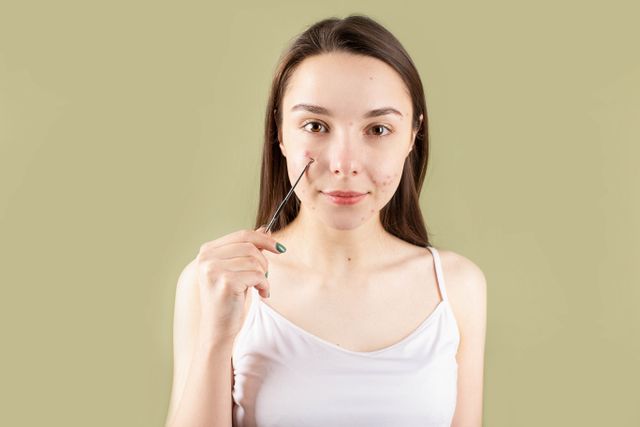
Anyone who has dealt with persistent acne knows the cycle. A new cleanser promises clear skin. It works for a fortnight, then the breakouts return. A stronger product follows, then another, until the bathroom cabinet looks like a pharmacy aisle and the skin feels raw and irritated. For many people, topical treatments alone never quite get to the bottom of the problem.
That frustration has led many adults to look beyond what they put on their skin and consider what is happening inside the body. Diet, hormones, stress and gut health can all play a part, which is why some people choose to work with a naturopath for acne alongside their GP or dermatologist, exploring how lifestyle and internal factors might be contributing.
Why acne is more than skin deep
Acne develops when hair follicles become clogged with oil and dead skin cells, creating an environment where bacteria can thrive and inflammation follows. But the reasons follicles become clogged in the first place can be complex.
Hormones are a major factor. Androgens, sometimes called male hormones although everyone produces them, stimulate oil production. That is why acne often flares during puberty, around menstrual cycles, during pregnancy and with conditions such as polycystic ovary syndrome.
Genetics, stress, certain medications and inflammation also play a role. In many cases, acne is the visible result of several factors working together.
The diet connection
For years, the link between diet and acne was dismissed. More recent research suggests that, for some people, diet may influence breakouts.
High glycaemic index foods, such as white bread, sugary drinks, lollies and many processed snacks, cause rapid spikes in blood sugar and insulin. These spikes may affect hormones and oil production in ways that contribute to acne.
Dairy, particularly skim milk, has also been associated with acne in some studies, although the effect seems to vary between individuals.
Rather than eliminating entire food groups, many practitioners suggest focusing on a balanced diet rich in vegetables, fruit, whole grains, lean proteins and healthy fats, while reducing highly processed and sugary foods.
The gut and skin axis
Scientists are increasingly interested in the relationship between gut health and skin, sometimes referred to as the gut-skin axis. The idea is that the community of bacteria in the gut can influence inflammation and immune responses throughout the body, including the skin.
Research in this area is still developing, but supporting gut health through a varied, fibre-rich diet, adequate hydration and fermented foods may benefit overall health and possibly skin as well.
Stress and sleep
Many people notice their skin worsens during stressful periods, such as exams, work deadlines or emotional upheaval. Stress hormones can increase oil production and inflammation, creating ideal conditions for breakouts.
Poor sleep can compound the problem. Building habits that support rest and relaxation, from regular exercise to winding down before bed, may help skin as well as mood.
A gentler skincare routine
Treating acne from the inside does not mean ignoring the outside. A gentle, consistent skincare routine still matters. Avoid harsh scrubs and over-cleansing, which can irritate skin and trigger more oil production.
Look for non-comedogenic products and consider ingredients such as salicylic acid or benzoyl peroxide, which can help unclog pores and reduce bacteria. Always use sunscreen, especially if you are using treatments that increase sun sensitivity.
Working with professionals
Acne can affect confidence and mental health, and severe or persistent cases deserve proper medical attention. A GP or dermatologist can assess your skin, rule out underlying conditions and discuss treatment options, including prescription medications where appropriate.
Some people choose to complement medical care with naturopathic support, focusing on diet, lifestyle and stress management. If you take this route, keep all your practitioners informed about treatments and supplements to avoid interactions.
Keeping a skin diary
Because acne has so many possible triggers, a simple skin diary can be surprisingly useful. Each day, jot down what you ate, how well you slept, your stress levels, where you are in your menstrual cycle if relevant, and any new products you used. After a month or two, look back for patterns. Some people notice flare-ups after particular foods or during busy weeks at work. Others find a link with certain cosmetics. Bringing these notes to appointments also gives your GP, dermatologist or naturopath far more to work with than memory alone.
Patience pays off
Whatever approach you take, acne treatment requires patience. Skin cells turn over gradually, and changes to diet or routine can take several weeks or months to show results.
Keep track of what you try and how your skin responds. Over time, patterns often emerge, helping you understand your own triggers. Clearer skin is rarely the result of a single miracle product. It usually comes from looking after your body as a whole.








Leave a comment