


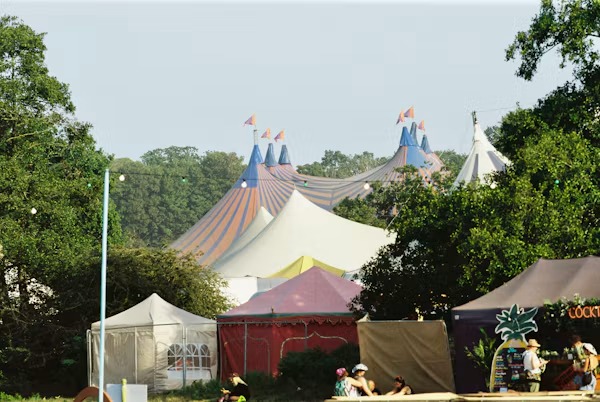
The tentative booking at a Goulburn council venue only lasts for three weeks. If the necessary paperwork is not in on time, the date goes back onto the list and all of your marquee arrangements are in jeopardy. Hosts rarely realise that a marquee takes much planning before the tables and flowers are picked out.

Weekends That Get Wedded Away
In 2025, there were 118,804 marriages in Australia, marking a decline of 1.7 per cent from 120,844 the year before. However, although there were fewer weddings, the choice days were in high demand for marquee hire Goulburn. In the one day of Saturday, 25 October 2025, 2,035 weddings were conducted. Spring also remained the favourite wedding season.
The wait for a good weather forecast could mean that you lose the date that you need. In Goulburn, the tentative booking will be cancelled three weeks after the initial enquiry if the organiser does not return a signed application, signed conditions of hire and proof of insurance. These requirements must be met in order to maintain the booking.
Who Has To Give The Okay?
The approval process depends on who has the land. For things happening on council property, organisers need to include any marquees and other temporary structures in their hire applications from the get-go. Major events need to be planned at least two months in advance, and even then the application has to be in a couple of months beforehand. Four weeks before the event they need to submit a scaled site plan showing all the equipment and structures, followed by a risk assessment and emergency management plan two weeks later.
For private functions it’s a different ball game. Here in New South Wales, tents and marquees for private events and community gatherings are probably exempt from needing council approval if a few conditions are met. You still need written consent from the landowner though, and you’ve got to make sure the structure is set up on solid level ground according to the manufacturer’s instructions. And you’ll need to make sure your public liability insurance meets the landowner’s expectations too.
Weights, Pegs and the Breeze Blowing
Pegs may look secure because they grip the ground, but the thing is, many venues just don’t allow them. The council’s guidance on hire applications will advise you to use sandbags or weights instead. On concrete and tarmac and places like that, weights are the only option. The size of the marquee is a good guide for whether you’ll need weights, pegs or both, but it’s always best to seek advice from the hire company before deciding on a fixing method. And always try to get a second opinion from a professional before making any decisions.
Even the lightest twig can become a hazard in strong winds. A marquee with closed walls can catch a lot more wind than an open one, and a whole lot of other lightweight things like umbrellas can be turned into projectiles by the breeze. In high winds, the council recommends closing all four sides of the marquee just to be on the safe side, and even then have a plan in place to evacuate or cancel if things get too bad. The material the sides are made of can make a big difference too; some are better at withstanding the wind than others.
You really need to follow the wind limits the supplier gives you. Get the structure’s wind rating, the ballast plan, and what conditions will require you to evacuate. The hire industry has its own set of guidelines on ballast, and that includes some sample wind plans to go by, things like 60 and 90 km/h.
- Before you book, check:
- What the venue needs in terms of approvals and deadlines.
- What the supplier says the wind rating and ballast method are.
- What the ground is like and if there are any restrictions on the way you can fix the marquee.
- Where the site plan, risk assessment and insurance documents need to be sent.
Planning a marquee properly lets your guests enjoy themselves without having to worry about whether it will fall over.
Checking Out The Ground Beforehand
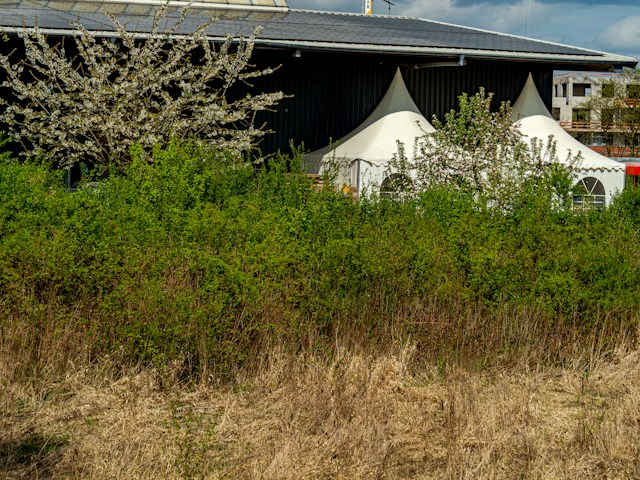
Before you book, make a site inspection to check for any slopes, drainage channels, tree roots or places where water collects. Different types of soil behave differently when it comes to how securely the fixtures hold, and then there are hard surfaces that stop you from using pegs. You need to check for underground pipes and cables before you start driving anything into the ground too.
Planning For Everyone Underfoot
A site plan you need to submit for council approval can also be a big help when it comes to working out where everything needs to go. It’s a good guide for the placement of toilets, waste management and water supplies, things that are all too easy to overlook, but might just make the difference between running smoothly and a disaster.







Leave a comment