


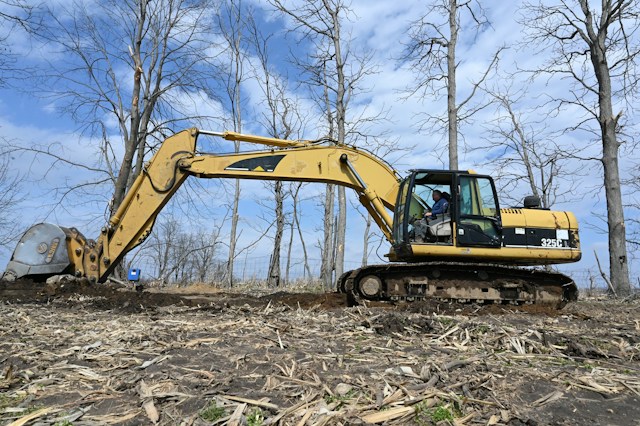
Compact loaders can harm grass in tight turns and get bogged down in soft sands. The method of propulsion, whether tracked or wheeled, will influence how easily it traverses certain terrains. The maintenance and condition of such equipment are crucial too, especially on small spaces accessible only by such a machine.
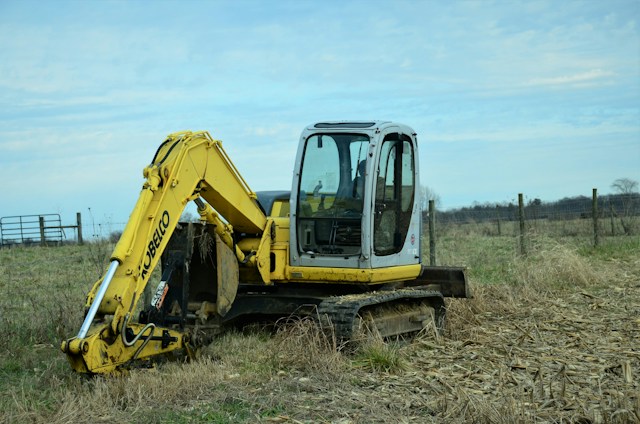
Why Do Small Machines Get Awkward Jobs?
Heavy excavators can hardly fit through narrow side gates in residential yards and do not enter such areas. Mini loaders are handy for sites where the operator needs to perform their task within limited space and does not need a large machine.
However, the use of such a compact machine on Dingo mini digger tyres is fraught with difficulties. Operators will have to manoeuvre near buildings, trees, and other obstacles, even on grass or new ground, not on road bases. The pressure the machine exerts on the ground will matter a lot.
Ground Pressure and Turf When It All Gets a Bit Messy
Tracks make really good sense when you’re trying to reduce the weight on a soft or sensitive surface; they spread the weight out over a bigger area, which does help prevent deep holes and ruts. Tracked loaders have great traction on wet or muddy ground and put less pressure on the soil, which is a bonus. On top of that, smooth treads can actually be a bit gentler on the grass.
But the tracks aren’t perfect. Sharp turns can still rip up the turf and can cause a lot more wear on concrete and hard surfaces. Tyres generally do better on firm, level ground and tracks can be a lot more expensive to hire and replace.
To be honest, it all comes down to the surface and what you’re trying to achieve. Choosing the right setup can make all the difference.
Sand, Mud and Other Soft Ground Not Ideal
Loose sand and muddy ground are really different operating conditions. Wheeled loaders do okay on compacted surfaces but when it comes to loose, wet or sandy ground, tracks are usually the better option. They weigh the machine out a bit more evenly and reduce the chance of sinking. We get a lot of sandy soil here in Perth, so this is something to keep in mind.
Sand can also do some serious damage to your tyres. The fine particles can get stuck in the tread and sidewalls, and when the wheels spin, it’s not uncommon for them to dig themselves in pretty deep. So try to keep things moving at a steady pace and steer gently if possible.
Steering Clear of Slopes Not as Straightforward as It Sounds
When you’re operating on a slope, stability is key; this doesn’t just apply to tyres or tracks, by the way. If you’re going across a slope, it’s going to reduce your stability regardless of what you’re driving on. Safe operating limits are all about the machine, how much weight it’s carrying and the surface conditions. It’s a good idea to check the manufacturer’s manual for guidance.
Checking Your Tyres (and Tracks) on a Daily Walk-Around
So many tyre problems can be spotted with a quick glance; check the pressure against what the manufacturer says it should be and take a look for cuts, bulges and exposed cords. Sidewall cracks and uneven tread wear can be a sign of trouble too; it may mean alignment or hydraulic problems. Don’t forget to check that the wheel nuts are secure too; that’s a no-brainer.
Even when your machinery is sitting idle, tyres can still deteriorate. Sunlight and time take their toll on rubber, and the code on the sidewall tells you when it was made. Keeping the equipment in the shade can help slow things down a bit.
Tracked machines need a bit of extra TLC. Look for missing lugs, the tension on the tracks and any debris around the rollers.
Before you send the machine on its way, ask:
- What type of tyres or tracks are on it and what condition are they in?
- What are the load and slope limits for the job according to the manual?
- Is the machine up to dealing with the ground conditions where work is taking place?
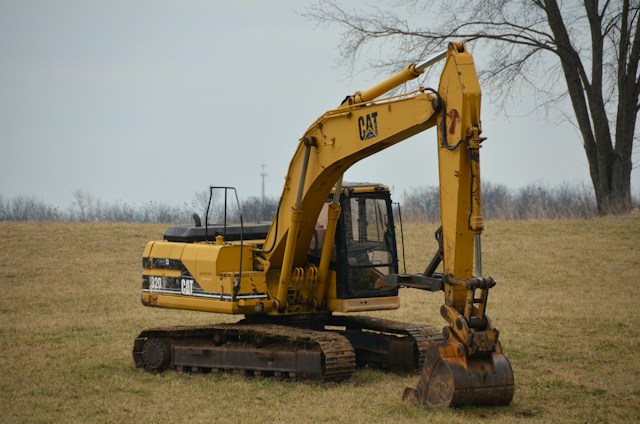
Safety Considerations
2025 was a really tough year for Aussie workplace safety; 222 deaths were recorded, the highest since 2012, with vehicle incidents accounting for 41% of fatalities. None of these stats can be taken to mean it’s particularly bad for compact loaders, so for anything specific to your loader, it’s always best to follow the manufacturer’s guidance on safety.
This includes things like seatbelts, rollover protection, load handling, safe slope limits and approved attachments; it’s all covered in the manual.







Leave a comment