


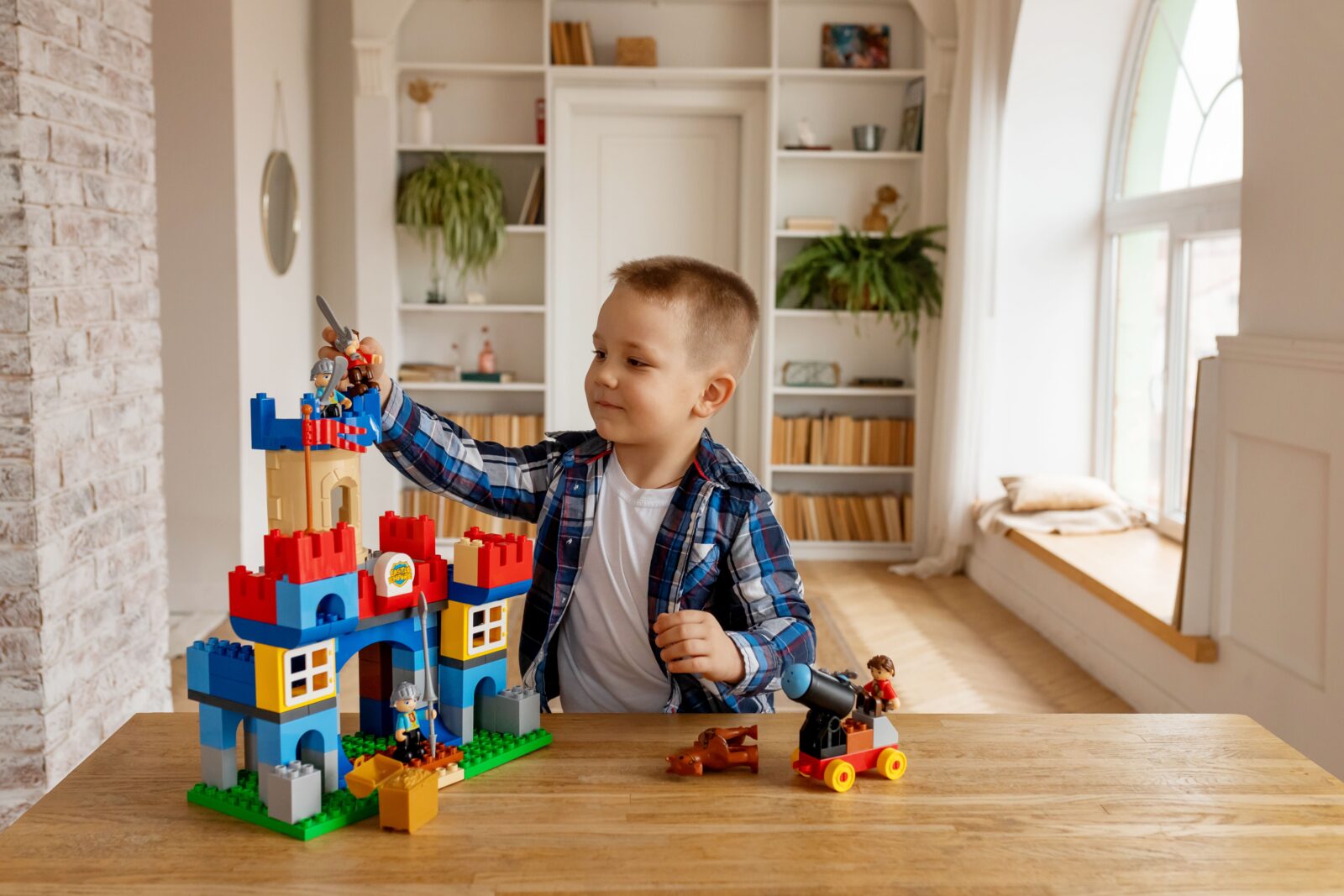
Building sets are among the most versatile educational toys because they combine creativity, entertainment and practical learning. From simple stacking blocks for toddlers to advanced construction kits for older children, these toys offer opportunities to develop important skills through hands-on activities. Choosing the right building set involves considering a child’s age, interests, abilities and level of development. With suitable options available for different stages of childhood, parents can encourage imaginative play while helping children develop confidence, coordination and problem-solving skills.
Choosing Simple Building Sets for Toddlers and Younger Children
For toddlers, building sets should focus on simple designs, larger components and easy-to-handle pieces. When considering the lego toys age range, parents should look for age-appropriate options that suit their child’s stage of development. Stacking blocks, oversized construction bricks and soft building materials can introduce young children to basic concepts such as shapes, colours, sizes and balance. These toys allow toddlers to experiment with arranging and stacking objects while developing hand-eye coordination and fine motor skills. At this stage, the main purpose is to encourage exploration rather than expecting children to create complicated structures. Parents should prioritise age-appropriate products with large pieces that reduce choking risks and avoid toys containing sharp edges or small detachable components.
Simple building activities can also introduce early problem-solving skills through enjoyable everyday experiences. Children may discover how to stack blocks without making them fall, arrange pieces according to colour or create simple patterns using different shapes. These activities encourage curiosity and help toddlers understand basic relationships between objects. Parents can participate by demonstrating simple constructions and allowing children to experiment independently. It is important to choose toys that are durable, easy to clean and suitable for frequent handling. Selecting engaging building sets at this early stage can create a positive introduction to creative play while supporting important developmental abilities.
Exploring Creative Construction Toys for Preschool Children
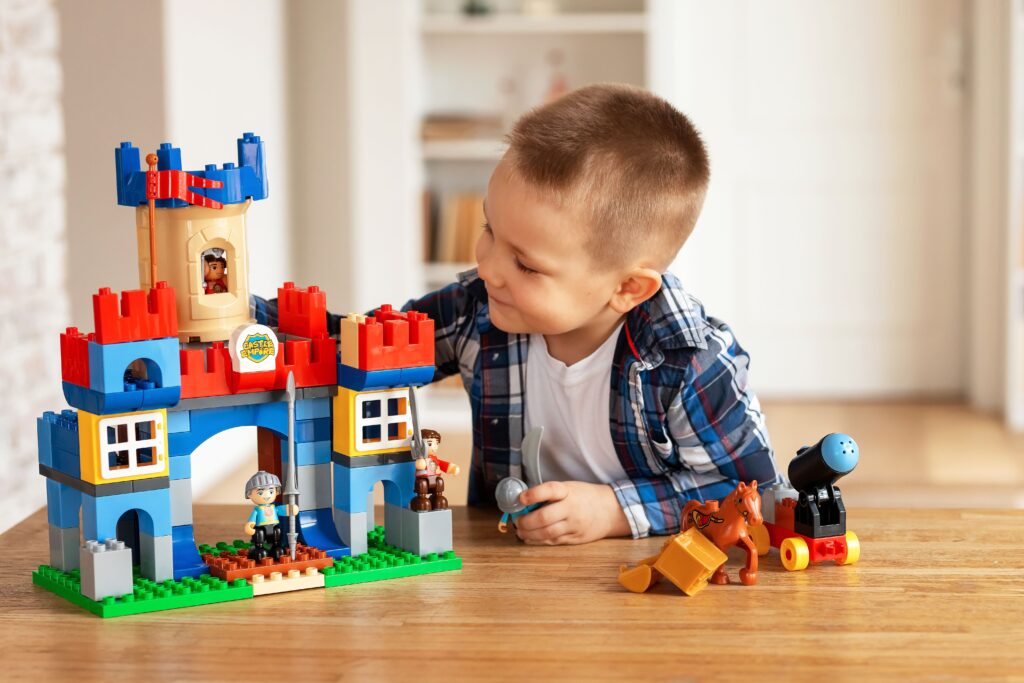
Preschool children often begin developing stronger coordination, imagination and problem-solving abilities, making this an ideal stage for introducing more varied construction toys. Building sets with connecting pieces, simple interlocking bricks, magnetic shapes and themed construction kits can provide additional opportunities for creativity. Children can use these materials to create houses, vehicles, animals and other imaginative structures. These activities encourage them to think about how individual components fit together and how different arrangements can produce new designs. Building toys can also introduce early mathematical concepts, including counting, comparing sizes, identifying shapes and recognising patterns.
Another advantage of construction play during the preschool years is its ability to support imaginative storytelling and independent decision-making. Children may build a small town, create a pretend playground or design a structure for their favourite toy characters. These projects encourage them to develop ideas and explore different ways of bringing their imagination to life. Playing with siblings or friends can further strengthen communication and cooperation as children share materials and discuss their designs. Parents should look for sets that offer flexible building possibilities rather than toys limited to a single finished model. Choosing colourful, manageable and age-appropriate components can help maintain interest while encouraging continued experimentation.
Selecting More Advanced Building Sets for School-Aged Children
As children enter primary school, they often become interested in more detailed construction activities that involve planning and following instructions. Building sets with smaller components, specialised connectors and multiple construction possibilities can introduce new challenges while strengthening concentration and logical thinking. Children may enjoy assembling detailed vehicles, buildings, bridges and other structures that require several steps to complete. These activities encourage them to interpret instructions, recognise patterns and understand how different components work together. They also provide opportunities to develop patience because more complicated projects may require additional time and careful attention.
School-aged children can also benefit from construction sets that introduce basic engineering and scientific concepts. For example, building a bridge can encourage them to explore balance, support and structural stability, while assembling a moving model can introduce simple mechanical principles. Some sets include gears, wheels, pulleys and connecting systems that demonstrate how movement can be created through different components. Parents can encourage children to experiment with their own designs once they understand the basic construction process. It is helpful to choose sets that match their interests and provide a suitable level of difficulty. More advanced building experiences can help children develop confidence while encouraging them to approach challenges with creativity and determination.
Introducing STEM and Engineering Building Sets for Older Children
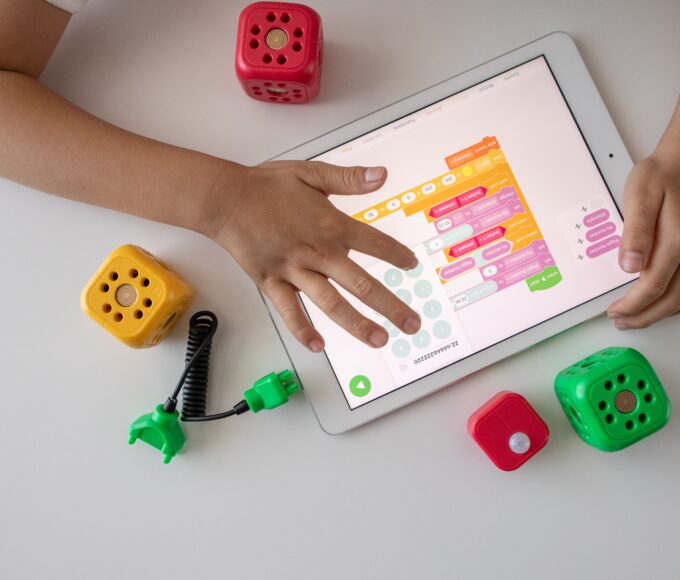
Older children may enjoy building sets that combine construction with science, technology, engineering and mathematics. Robotics kits, programmable construction toys and mechanical engineering sets can introduce more advanced concepts through practical activities. These resources encourage children to assemble working models, understand how different components interact and explore basic programming or mechanical movement. Some kits allow users to build machines that respond to instructions, while others introduce electrical circuits, sensors and simple automation. Such activities can make technical subjects more accessible by allowing children to see how theoretical ideas work in practical situations.
The learning opportunities offered by advanced construction toys extend beyond assembling a finished model. Children may need to identify problems, test different designs and make adjustments when their creations do not work as expected. This process encourages critical thinking, persistence and independent decision-making. Building projects can also become valuable group activities where children exchange ideas, divide responsibilities and work towards shared goals. When selecting these kits, parents should consider the recommended age range, complexity of the instructions and availability of additional learning resources. Choosing construction sets that provide opportunities for experimentation can help older children maintain their interest while developing practical skills that support future learning.
Considering Safety, Quality and Long-Term Play Value
Safety and product quality should remain important considerations when purchasing building sets for children of any age. Parents should always check the recommended age range, material quality and relevant product safety information before making a decision. Younger children require larger components that are less likely to create choking hazards, while older children may be ready for sets containing smaller and more detailed pieces. The materials should be durable, non-toxic and suitable for regular handling. It is also useful to check whether the components have smooth edges and connect securely without requiring excessive force. Paying attention to these details can help families select toys that are both enjoyable and appropriate for their children.
Long-term play value is another factor worth considering when comparing different building sets. Toys that allow children to create multiple structures and experiment with different designs are often more engaging than products that offer only one construction option. Compatible components can provide additional flexibility because children may be able to combine existing pieces with other sets to develop larger projects. Storage containers and organised compartments can also help keep components together and make tidying easier. Parents should consider the child’s personal interests, available play space and the opportunities a set offers for continued learning. Ultimately, choosing building sets that match each stage of childhood can support creativity, practical thinking and enjoyable experiences as children grow and develop.







Leave a comment