


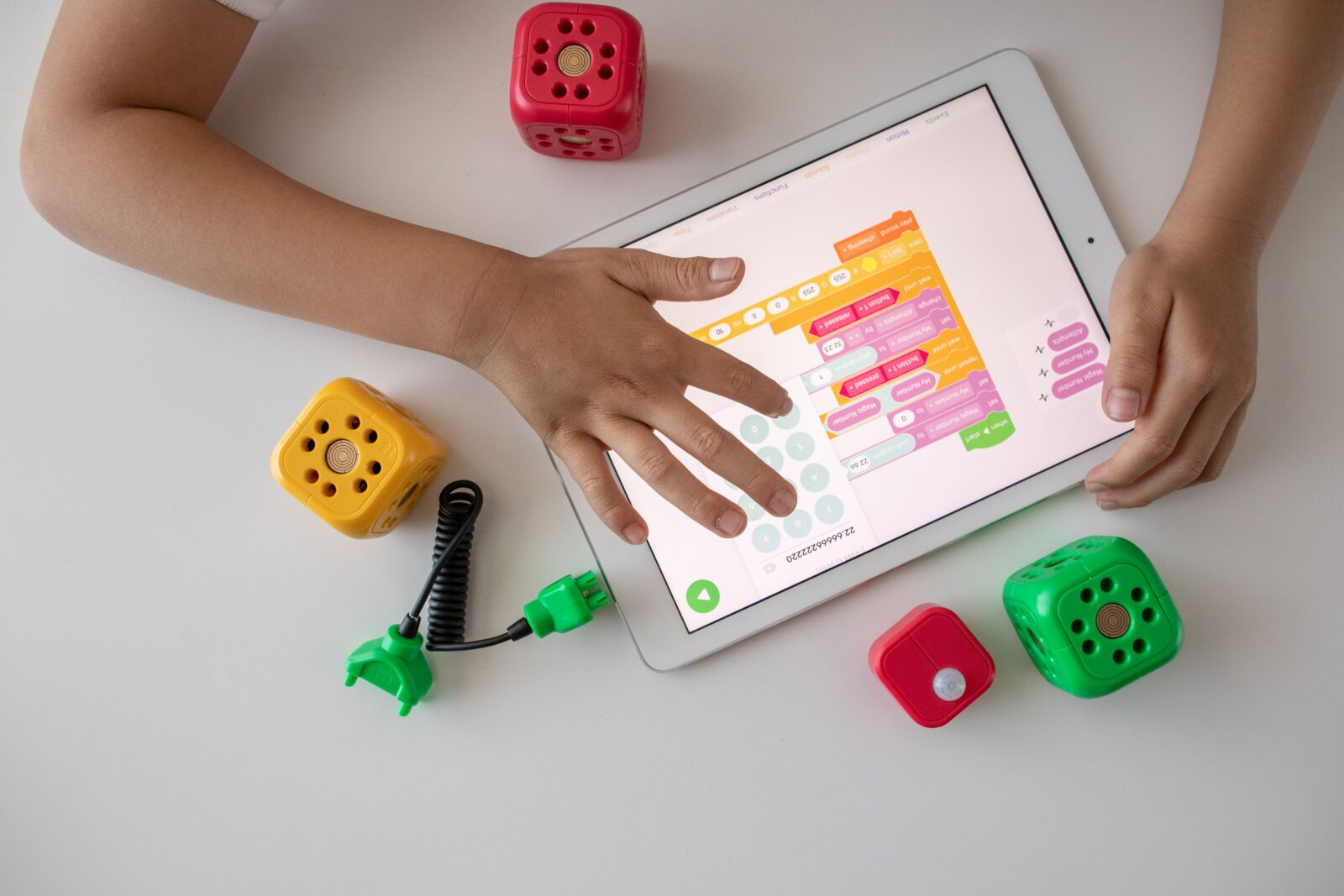
Children learn and develop through everyday experiences, from playing with toys and exploring their surroundings to communicating with family members and participating in structured activities. However, supporting each stage of development can sometimes feel challenging for parents and caregivers, especially when they are unsure which activities are most suitable for their child’s needs. A child development app can make this process more manageable by providing accessible resources, practical learning ideas and age-appropriate activities. With the right digital support, families can encourage children’s growth while making everyday learning more engaging, enjoyable and consistent.
Understanding the Role of a Child Development App in Early Learning
A child development app can provide parents and caregivers with useful information about the different stages of childhood development. An app for child development may include resources covering communication, movement, social interaction, sensory processing, problem-solving and early learning skills. Having these materials available in one convenient place makes it easier for families to explore development-related topics without having to search through multiple websites or resources. Parents can use the information to better understand what their child may be learning at different ages and identify activities that support their current abilities. This can be particularly helpful when they want to introduce new experiences that encourage curiosity and confidence.
Digital learning resources can also help families approach child development in a more organised way. Rather than relying on occasional activities, parents can explore ideas that fit naturally into their daily routines and provide opportunities for regular practice. Some apps offer structured guidance, activity suggestions and educational content that can help families understand how children develop through play and interaction. These resources can make it easier to turn ordinary moments, such as mealtimes, outdoor play and reading sessions, into valuable learning opportunities. Although an app cannot replace professional advice or direct interaction, it can serve as a practical resource for supporting children’s everyday development.

Encouraging Learning Through Interactive and Engaging Activities
Young children often learn best when they can actively participate in activities that capture their interest. A child development app can introduce parents to creative ideas involving puzzles, matching games, storytelling, drawing, movement and sensory exploration. These activities encourage children to investigate their surroundings, make choices and develop new skills through enjoyable experiences. Interactive learning can also help maintain a child’s interest by introducing different ways to explore familiar concepts. When activities are appropriate for a child’s age and abilities, they can provide a positive foundation for developing attention, memory and early problem-solving skills.
One of the main advantages of using a digital resource is the ability to discover activities that can be adapted to different learning preferences. For example, a child who enjoys hands-on experiences may benefit from sorting objects, building with blocks or exploring different textures. Another child may respond more positively to songs, picture-based activities or simple storytelling exercises. Parents can use suggestions from an app to introduce these experiences while observing which activities their child finds most enjoyable. Keeping learning flexible and playful helps prevent everyday practice from feeling like a formal lesson and allows children to develop skills at a comfortable pace.
Supporting Communication, Social Skills and Emotional Development
Communication is an important part of childhood development, helping children express their thoughts, understand others and build meaningful relationships. A child development app may offer practical suggestions for encouraging language development through conversations, picture books, songs and interactive play. Parents can use these ideas during everyday activities, such as describing objects while shopping, naming items around the home or asking simple questions during playtime. Repeating familiar words, allowing children time to respond and encouraging them to communicate in their own way can help create positive opportunities for language development. These small interactions can gradually support vocabulary growth, listening skills and confidence in expressing needs.
Social and emotional development also benefits from regular opportunities to interact, share experiences and understand feelings. Digital resources may provide parents with activities that encourage turn-taking, cooperative play, emotional recognition and simple problem-solving. For example, storytelling can help children identify different emotions, while pretend play can introduce situations involving sharing, helping and taking turns. Parents can build on these activities by talking about feelings and demonstrating positive ways to respond to everyday challenges. It is important to remember that children develop social and emotional skills through real relationships and experiences, so app-based suggestions are most useful when combined with meaningful interaction.
Helping Parents Create Consistent and Flexible Learning Routines
Establishing regular learning opportunities can help children become more familiar with activities that encourage development. A child development app can make planning easier by offering ideas that parents can incorporate into existing routines rather than requiring a completely separate learning schedule. Simple activities can take place during breakfast, playtime, bath time or before bedtime, depending on the child’s interests and daily needs. Parents can select manageable tasks and repeat them when appropriate, giving children opportunities to practise skills and become more confident. A consistent approach can provide structure while still allowing enough flexibility for rest, spontaneous play and family activities.
Every child has a different learning style, personality and developmental pace, which means activities should be adjusted according to individual needs. An app can help families explore different approaches, but parents should observe their child’s responses rather than expecting every suggestion to work equally well. If an activity becomes frustrating or difficult, it may be helpful to simplify it, offer additional support or try something different. Celebrating small achievements can also encourage children to remain interested and develop a positive attitude towards learning. By combining useful digital guidance with patience and everyday encouragement, parents can create routines that feel supportive rather than demanding.
Choosing a Child Development App That Supports Individual Needs
Selecting an appropriate child development app requires consideration of the information, activities and guidance it provides. Parents should look for resources that present information clearly, offer age-appropriate suggestions and focus on practical ways to encourage learning through everyday experiences. It is also useful to consider whether the app covers different developmental areas, including communication, movement, sensory experiences, social interaction and early problem-solving. A well-organised platform can make it easier for families to find relevant information without feeling overwhelmed by unnecessary features. Privacy, child safety and responsible use of digital technology should also be important considerations when choosing any app intended to support children.
A child development app is most valuable when it complements, rather than replaces, real-world learning and professional support. Parents can use its resources to discover new activities, understand developmental concepts and feel more confident about encouraging their child’s progress. If they have concerns about communication, movement, behaviour or other areas of development, consulting a qualified health or child development professional remains important. Professional guidance can help families understand their child’s individual needs and identify suitable strategies or interventions when required. By choosing a reliable app and using it thoughtfully, parents can make everyday learning more accessible while creating meaningful opportunities for children to explore, practise and grow.








Leave a comment