



Breaches typically occur at the gate, not fencing panels. This is what Melbourne property owners should consider before specifying their next entry point. Fencing gets the attention. The problems are caused by gates. In most Melbourne properties, a perimeter breach is initiated at an entry point rather than through a fencing panel for one reason: gates are mechanically more complicated, structurally different from the panels adjacent to them, and almost always where installation shortcuts occur. Properties with mixed-use access face a more complex challenge. A residential block receiving delivery vehicles, trades, and multiple household members requires a gate that handles volume and frequency while remaining secure when unattended. Each access requirement is a variable. The more variables there are, the more ways the gate can fail in the real world.
Manual or Automated: What the Trade-Off Actually Looks Like
The primary argument in favour of automation by security gates Melbourne operators is convenience. The counter argument, which most operators are not eager to make, is that automation introduces two new classes of failure: mechanical breakdown and power dependency. A gate motor that fails during a storm does not merely inconvenience the property owner. It will usually fail open or require manual override. This compromises the security position it was installed to protect. Properly specified manual gates are often more reliable than automated equivalents over a ten-year horizon. They remove the entire category of failure related to moving electrical components. Access frequency, user demographics, and how the property handles failures determine the decision.
Materials That Last Melbourne’s Climate
The combination of coastal proximity in some areas, the intensity of UV, and the cycling of temperature creates particular demands on the gate material. Galvanised steel under a powder-coat finish works well, but the coating must remain intact. If the powder coat is breached and not caught early, the rust spreads laterally underneath the finish. Aluminium powder-coat eliminates the corrosion issue but comes at the cost of weight. This affects hinge loading and the tension of the self-closing mechanism. Stainless fittings, including hinges, latch hardware, and post bolts, are the correct specification for coastal Melbourne environments. Standard zinc-plated hardware will fail in as little as two to three years. Installers try to keep quotes competitive. Gate frames and fittings are often specified at different quality levels. It is a detail worth checking before accepting anything.
Access Control That Actually Integrates
Adding an intercom, keypad, or app-based entry system to a gate drastically changes the access control picture, provided the system is properly integrated with the gate’s mechanical operation. It should not be bolted on as an afterthought. Mismatched system pairing is the most common integration failure in Melbourne gate installations. This includes a modern app-based controller connected to a gate motor from a different manufacturer, communicating through a third-party relay that introduces a delay or failure point. Ensure that the installer has experience pairing the particular controller with the particular gate motor. Request examples of prior installations using the same combination before specifying access control.
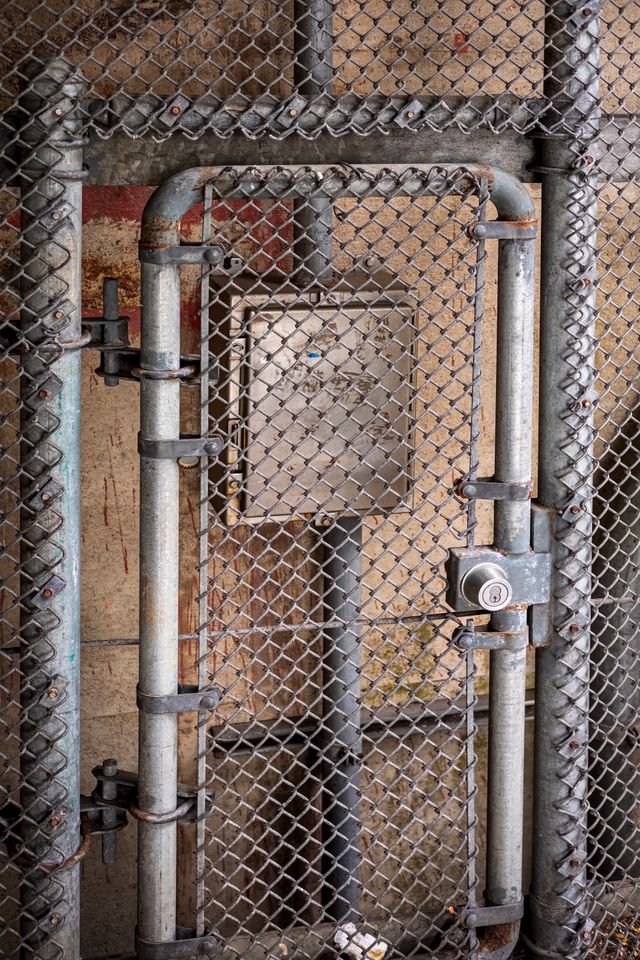
The Details That Separate a Functional Gate from a Frustrating One
Clearly, gate width for vehicle clearance is the obvious specification, but rarely the one that causes problems post-installation. The issues that continue to frustrate are subtler. Tighter tension calibrated for the actual weight of the gate, ground clearance adjusted for seasonal movement in the soil, and post depth adjusted for the height-to-weight ratio of the gate all make a difference. Melbourne’s heavy clay soil makes these adjustments especially important. A good pre-installation survey will cover all of this. Site-specific variables determine whether the installed gate operates as specified or requires adjustment in the first year. These include grade changes along the driveway, existing paving that limits post placement, and overhead obstructions for sliding gate tracks.








Leave a comment