



Heavy rain has a habit of revealing problems that are almost invisible in dry weather. A garden that usually looks perfectly normal can suddenly develop small ponds, water can begin collecting beside exterior walls, and paths that seemed level might start directing runoff straight towards the house. These issues can be easy to dismiss once the sun comes back out, but recurring water buildup is often worth paying attention to.
If you’ve ever found yourself wondering why is water pooling around your house?, the answer can involve anything from poor surface grading and blocked drainage to overflowing gutters or downpipes that discharge in the wrong place. What matters is recognising that water usually follows a pattern. If it keeps ending up somewhere inconvenient, there’s generally a reason.
Start by Watching Where the Water Actually Goes
One of the most useful things you can do during heavy rain is simply observe the property.
It sounds almost too obvious, but plenty of drainage issues are difficult to diagnose after the event. Once the ground has dried and gutters have stopped overflowing, you lose a lot of clues. During a downpour, however, the path of the water becomes much easier to see.
Look at where roof water exits the downpipes. Check whether surface runoff is moving away from the house or towards it. Notice which parts of the yard collect water first and whether drains are clearing it quickly enough.
You don’t need to stand outside in a thunderstorm with a clipboard. A quick look from a safe, sheltered position can often reveal whether the problem is coming from the roof, the ground or a combination of both.
Your Gutters May Be Doing Less Than You Think
Gutters are supposed to collect rainwater from the roof and direct it into the drainage system. When everything is working properly, most homeowners barely notice them.
When something isn’t working, the results can be surprisingly obvious.
Leaves, twigs and other debris can restrict the flow of water, particularly around downpipe openings. During a heavy downpour, water may then spill over the edge rather than travelling where it’s supposed to go.
That overflow can land directly beside the building, saturating soil near exterior walls. If it happens repeatedly, the ground may stay wet for long periods after rainfall.
Gutters can also develop issues with their alignment or fall. Water needs to move towards the downpipe rather than sitting in sections of the gutter. If you regularly notice standing water after rain, it may be worth having the system inspected.
Downpipes Need Somewhere Sensible to Discharge
A downpipe can work perfectly and still contribute to poor drainage if it empties into the wrong place.
If large quantities of roof water are simply released onto soil beside the house, the area may quickly become overwhelmed during heavy rain. The same applies if a stormwater connection is damaged, blocked or otherwise unable to carry the incoming volume.
It’s worth remembering just how much water a roof can collect. A relatively short period of intense rainfall can produce a substantial amount of runoff across a large roof surface. Concentrate all of that through a handful of downpipes and you can see why their discharge points matter.
Water needs a clear route away from the building rather than merely being moved from the roof to ground level.
The Slope Around Your House Matters
The shape of the ground is another major factor.
Ideally, the surface around a building should generally encourage water to move away from the structure rather than towards it. Problems can develop when soil settles, landscaping is changed or new garden beds, paths and paving alter the original drainage pattern.
A depression beside the house may not look significant during ordinary weather. During heavy rain, however, it can act like a shallow basin.
The same thing can happen with paved areas. A patio, driveway or path that falls slightly towards the building can direct a surprising amount of runoff to one location.
Small differences in level can have large consequences when enough water is involved.
Landscaping Can Accidentally Create Drainage Problems
Gardens change over time. Soil gets added, mulch builds up, retaining edges are installed and new plants are introduced. Each individual change may seem harmless, but together they can alter how water moves around the property.
Raised garden beds close to the house can sometimes hold moisture against exterior walls. Dense planting may also make it harder to see what’s happening at ground level, particularly around downpipes and drains.
Even lawn areas can become compacted and drain poorly after years of foot traffic. When water can’t soak into the soil efficiently, more of it remains on the surface and starts flowing towards low points.
This doesn’t mean you need to redesign the garden every time it rains. It simply means drainage should be considered when making landscaping changes, particularly close to the building.
Surface Drains Only Work If They Stay Clear
Grates and pits around driveways, patios and courtyards often go unnoticed until they stop coping.
Leaves can cover the grate, sediment can accumulate inside the pit and roots may affect underground drainage over time. If the drain can’t accept water fast enough, the surrounding area may flood even though the system technically exists.
Cleaning visible grates is a useful maintenance task, especially before periods of wet weather. If water consistently backs up despite a clear surface opening, the issue may be further along the drainage line and require professional investigation.
A slow drain and an undersized drain can also look similar during intense rain, so repeated problems deserve a closer look.
Persistent Damp Can Create Bigger Problems
Pooling water isn’t only inconvenient because it leaves muddy patches in the garden.
When moisture repeatedly collects around a building, it can contribute to a range of maintenance concerns. Damp areas may encourage mould or mildew, affect certain building materials and create favourable conditions for pests. Water can also find its way into areas through cracks, joints or other vulnerable points.
The specific risk depends heavily on the design and condition of the property, but the general principle is straightforward: keeping unnecessary water away from the building is usually preferable to allowing it to sit there.
That’s why recurring pooling is worth investigating even if the water disappears eventually.
Don’t Assume the Worst After One Storm
Not every puddle means your house has a major drainage failure.
Exceptionally heavy rainfall can temporarily overwhelm systems that operate perfectly well under normal conditions. Soil can reach saturation, drains can struggle with unusually high volumes and water may collect in low areas for a short period.
The important thing is the pattern.
Does water pool after almost every substantial rainfall? Does it always appear in exactly the same location? Is it getting worse? Does a particular gutter overflow consistently? Does the water remain for hours or days afterwards?
Repeated behaviour is much more informative than a single unusual weather event.
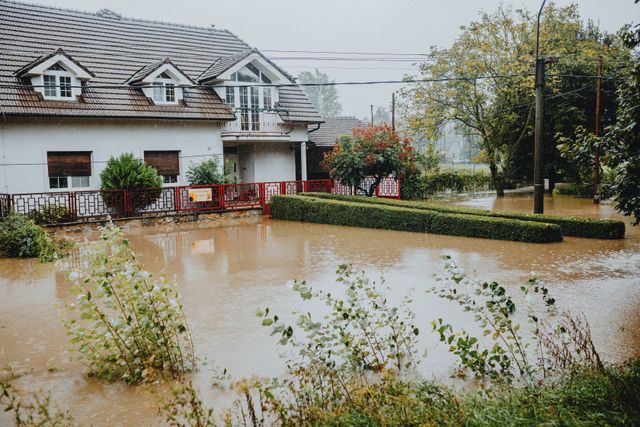
Rain Is Basically a Free Drainage Test
Few homeowners spend much time thinking about where rainwater goes until it goes somewhere they don’t want it. Yet a downpour provides a useful opportunity to see how the entire property handles runoff in real conditions.
Watch the gutters, downpipes, drains and ground levels. Take note of any areas where water consistently slows down, changes direction or accumulates. Once you understand the route it’s taking, finding the source of the problem becomes considerably easier.
Most importantly, don’t treat recurring pooling as something that simply “happens when it rains.” Water follows gravity, surfaces and drainage pathways. If it repeatedly collects beside your home, something in that system is directing it there.
Work out what that something is, and you’re much closer to finding the right fix.









Leave a comment