


Maintaining a safe and secure apartment complex is essential for protecting residents, visitors, and shared amenities. A well-structured security audit not only identifies vulnerabilities but also highlights opportunities to enhance safety and streamline building operations. Whether you manage a boutique block or a multi-tower development, conducting regular audits ensures your building remains compliant, efficient, and reassuring for everyone who calls it home.
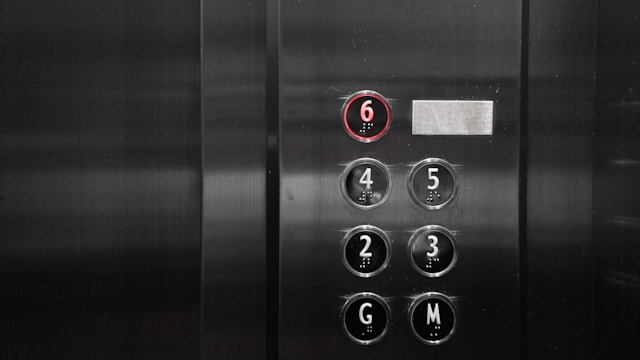
One important area to evaluate early in your audit is the reliability of access control systems, including whether you need to install security solutions for lifts to streamline resident movement and restrict unauthorised access. From entry points to CCTV performance and emergency procedures, a comprehensive review allows building management to stay ahead of potential risks.
Start with a Thorough Review of All Entry and Exit Points
Begin your audit by walking through every entrance and exit in the building. This includes:
- Main lobby doors
- Basement and carpark access points
- Side and rear doors
- Fire exits
- Loading and service areas
Check for issues such as broken locks, malfunctioning automatic doors, poor lighting, or inadequate signage. These areas are often the first targets for intruders, so ensuring they are structurally sound and monitored is crucial.
Assess Access Control Systems and Visitor Management
Access control forms the backbone of apartment security. Review how residents, contractors, and guests enter the building. Ask questions such as:
- Are fob or keycard systems working reliably?
- How easily can visitor passes be forged or misused?
- Is there a clear process for removing access from past tenants or staff?
Consider adding biometric systems, integrated intercoms, or streamlined digital visitor logs. These upgrades can significantly reduce the risk of unauthorised entry while improving convenience for residents.
Evaluate Lift, Stairwell, and Internal Movement Controls
Lifts, stairwells, and internal corridors can be weak points if not monitored or restricted properly. Assess whether:
- Lift access is limited to residents with valid credentials
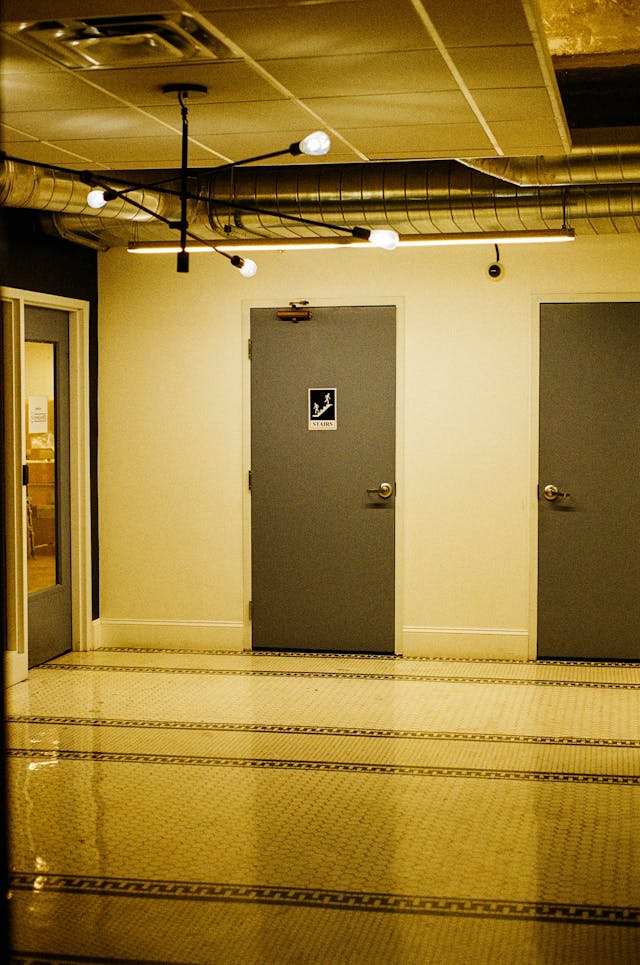
- Stairwell doors lock correctly to prevent misuse
- CCTV covers internal movement routes effectively
If your lift access is outdated or insufficient, this may be the ideal time to upgrade your systems or implement new monitoring and control technology.
Conduct a Full CCTV and Lighting Audit
High-quality surveillance is one of the most effective deterrents against theft, vandalism, and break-ins. Your audit should include:
- Verifying that all cameras are operational
- Checking for blind spots in carparks, lift lobbies, and corridors
- Reviewing the clarity of recorded footage
- Ensuring all key movement areas are well-lit
- Confirming footage is stored securely and for an appropriate duration
Lighting and camera placement should work together to ensure clear visibility throughout the complex.
Inspect Locking Systems and Physical Barriers
Physical security is just as important as digital controls. Inspect:
- Apartment door locks
- Mailbox locking mechanisms
- Storage room padlocks
- Perimeter fencing and gates
- Carpark roller doors
Replace outdated or damaged locks immediately and upgrade to modern electronic or smart locking where needed. These measures help prevent opportunistic intrusions.
Review Emergency Preparedness and Building Procedures
A secure building is one that is prepared for emergencies. Your audit should include a review of:
- Fire safety systems and evacuation plans
- Emergency lighting
- Resident notification systems
- First-aid accessibility
- Staff training and responsibilities
Clear, up-to-date procedures ensure the building can handle unexpected situations quickly and effectively.
Engage Residents and Staff in the Audit Process
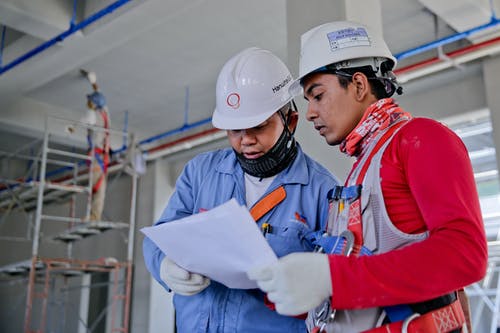
Residents and building staff often notice issues long before they appear in formal reviews. Gather feedback through:
- Surveys
- Meetings
- Suggestion boxes
- Digital maintenance portals
Encouraging involvement not only uncovers blind spots but also fosters a culture of shared responsibility.
Create a Security Improvement Plan
After completing your audit, compile your findings into a detailed action plan that outlines:
- High-priority risks
- Recommended upgrades
- Maintenance tasks
- Budget considerations
- Implementation timelines
This plan becomes your roadmap for improving the building’s security and ensuring long-term protection.
Performing a security audit of your apartment complex is essential for maintaining a safe, functional, and welcoming environment
By systematically assessing access controls, surveillance systems, physical barriers, and emergency processes, you can identify vulnerabilities before they escalate into major issues. Regular audits not only protect residents but also enhance property value and reduce long-term risk for building owners and managers.
If your review highlights gaps in access control or internal building movement, upgrading lift security or exploring modern monitoring options can significantly improve overall safety. A proactive approach ensures your complex stays secure today—and well into the future.










Leave a comment