


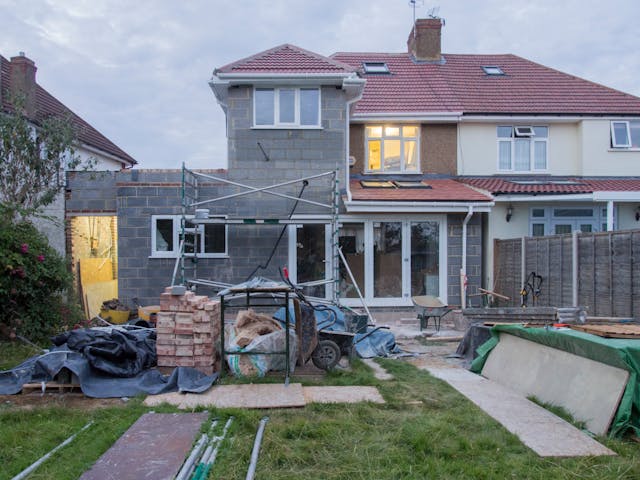
A home extension can be an exciting way to create more space, improve functionality, and add long-term value to your property. Whether you’re planning an extra bedroom, a larger living area, or a second storey, success starts with asking the right questions early. Clear planning helps avoid budget blowouts, design regrets, and unexpected delays — especially when working with experienced home extension builders who can guide you through the process.
Before you commit to designs or construction, here are the key questions every homeowner should consider.
What’s the Primary Purpose of the Extension?
Start by defining why you’re extending. Are you accommodating a growing family, creating a home office, or adding space to entertain? Being clear on the purpose helps shape decisions around layout, size, and finishes.Ask yourself:
- How will this space be used day-to-day?
- Is this a short-term solution or a long-term lifestyle upgrade?
- Will future needs change how the space is used?
A well-defined purpose ensures your extension adds practical value rather than unused square metres.
What’s My Realistic Budget (Including Contingencies)?
Budgeting is more than just construction costs. A realistic budget should include:
- Design and architectural fees
- Council permits and approvals
- Engineering and structural work
- Fixtures, finishes, and fittings
- Temporary living arrangements if required
It’s also wise to allow a contingency buffer (often 10–15%) for unexpected issues such as structural upgrades or site conditions. Asking upfront what’s included — and what’s not — can save stress later.
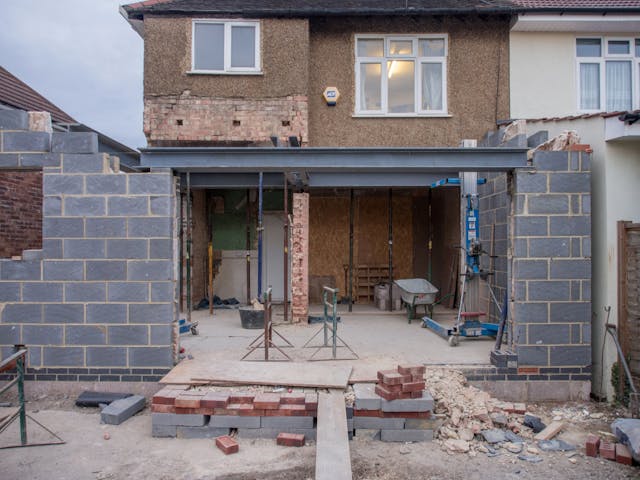
Do I Need Council Approval or Planning Permits?
Most home extensions in Australia require some level of council approval. The type of approval depends on:
- The size and height of the extension
- Heritage or zoning overlays
- Boundary setbacks and site coverage
Before starting, confirm:
- Which permits are required
- How long approvals typically take
- Whether your builder manages this process or if it’s your responsibility
Understanding approvals early helps avoid delays once construction is ready to begin.
Will the Extension Integrate with the Existing Home?
A successful extension should feel like a natural part of the home — not an obvious add-on.Consider:
- Matching materials, rooflines, and finishes
- Natural light flow between old and new spaces
- How plumbing, electrical, and HVAC systems will integrate
Thoughtful design ensures visual cohesion and avoids costly retrofits later.
How Will the Extension Affect Natural Light and Ventilation?
Adding space can unintentionally block light or airflow to existing rooms. Ask:
- Will new walls reduce daylight in neighbouring spaces?
- Can skylights, larger windows, or sliding doors improve light flow?
- How will ventilation be maintained year-round?
Good lighting and airflow improve comfort, energy efficiency, and overall liveability.
What Impact Will This Have on My Daily Life During Construction?
Home extensions often involve living through construction. It’s important to understand:
- How long the build is expected to take
- Which areas of the home will be affected
- Whether utilities will be disrupted
Knowing what to expect helps you plan work-from-home arrangements, family routines, or temporary accommodation if needed.
How Will This Extension Affect Property Value?
While most extensions add value, not all improvements deliver the same return. Consider:
- Whether the extension aligns with buyer expectations in your area
- If the cost of the extension is proportionate to potential resale value
- How layout and functionality compare to similar homes nearby
A well-planned extension should enhance both lifestyle and long-term investment value.
Who Will Manage the Project from Start to Finish?
Clear communication and accountability are essential. Before starting, ask:
- Who is your main point of contact?
- How often will progress updates be provided?
- How are variations or changes handled?
Working with a builder who offers end-to-end project management can simplify the process and reduce miscommunication.
Ready to get started?
A home extension is a significant investment, and the right questions can make all the difference between a stressful build and a rewarding result. By clarifying your goals, understanding approvals, planning your budget, and considering how the new space integrates with your existing home, you set the foundation for a successful project.
Taking the time to plan thoroughly — and partnering with experienced professionals — ensures your extension not only adds space, but genuinely improves the way you live in your home.










Leave a comment