


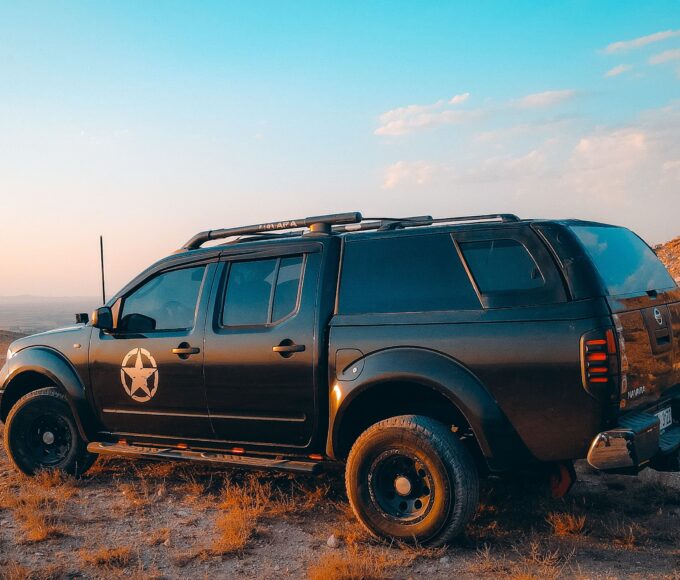
An ute outside a worksite is a vehicle where a company can put its business name and information for the duration of the work. Graphics offer another advertising space for companies regardless of how many vehicles they may run.
There are different types of custom vehicle signage Melbourne including door graphics, partial graphics, full wraps and window films. These options will require you to take into consideration a number of things like the state of the vehicle, the materials used and the regulations governing the windows of the vehicle and other areas.
Vehicle Graphics and Road Regulations
Any car running on Victorian roads must always meet the specifications of the registration that the car holds. It is the responsibility of the owner of the car to make sure that the modifications that have been done will not affect compliance.
A small decal on the door may not have any big effects on the vehicle while full wraps, films and light changes will need more attention.
Windows Rules
For Victorian vehicles, perforated signs/wraps on glass are considered in the same category as tinted film. Visible light transmission is a requirement, and the rear window may display a perforated sign/wrap only after meeting the relevant limits.
Perforated vinyl is one type of rear-window graphic that is widely used. It is designed in such a way that the people outside the vehicle can view an image, whereas the driver can see through the graphic.
This does not imply that every window is capable of carrying the graphics. Windscreens and front side windows have strict rules, as they affect the driver’s visibility.
The installer should be able to indicate the windows that can hold the graphics and the manner in which it would comply with relevant standards.
Colour Changes and Vehicle Reporting
A full wrap can make a vehicle look completely different, and that can raise the question about whether you need to report the change.
VicRoads has a process for reporting changes to a vehicle colour, as long as the only change is the colour. But, when it comes to a repaint versus a wrap, things get a bit different, so you’ll want to confirm the right procedure before just assuming they’re the same process.
A branded graphic that leaves the vehicle’s actual colour intact shouldn’t just be assumed to have changed the colour. It’s not as simple as that. If you’re unsure about your proposed wrap, give VicRoads a call to clear the air about whether reporting is even necessary, or if there’s another modification that needs to be notified.
Matte and metallic finishes are worthwhile thinking about too. Reflective surfaces can cause glare, and some finishes are dirtier than others. Have a chat with the installer about what they’re expecting from the material you’ve chosen, especially if the vehicle is going to be used a lot outdoors.
Designing for One Vehicle or a Fleet
A design that works on one vehicle might not be as straightforward when it comes to applying it to another. Utes, vans, trucks and trailers have different panel shapes and available surfaces that can affect how the vinyl fits. You’ve also got to think about door handles, curves, recessed areas and panel gaps.
Fleet owners should keep important branding elements consistent, so colours, logos and contact details should be in similar positions wherever the vehicle design allows.
When installing graphics across a fleet, it’s also worth thinking about how this might affect your daily operations. Some businesses arrange installations in batches and keep another vehicle available while the work is being done. That way you can keep the number of vehicles off the road at any one time to a minimum.
Heavy Vehicles and Other Applications
Trucks and trailers over 4.5 tonnes have their own rules to follow, and that’s the heavy vehicle regulator, operating nationally.
But vehicle graphics should never interfere with lights, reflectors or visibility. Before giving the go-ahead to a design for a heavy vehicle, check the requirements that apply.
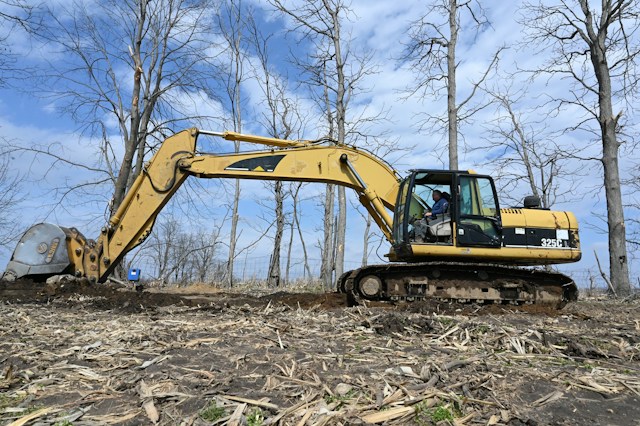
Other surfaces need different materials and installation methods. Boats, caravans, horse floats and plant equipment have got all sorts of surfaces, like fibreglass, curved panels, riveted sections, that affect how the vinyl attaches.
Ask the installer whether the material they propose is suitable for the specific surface and working conditions.
Trailers with large ads may also have to comply with local rules when parked on public land. Before using a parked trailer as an ad display, check with the relevant council to make sure you’re okay.
Questions to Ask Before Installation
Before giving the go-ahead to custom vehicle graphics, ask the installer which windows will have graphics and how the material will meet the light transmission requirements. Also confirm whether a proposed colour change needs to be reported, and for how long the material is expected to last on the vehicle’s surface.
The design may also need a bit of an adjustment because of the different shapes of vehicles. Ask what cleaning and maintenance instructions apply, and whether the warranty depends on following the care instructions to the letter.
The vehicle should have an inspection before the installation even starts. Confirming the materials, windows that are restricted and reporting requirements helps avoid problems after the graphics have been applied.




Leave a comment