


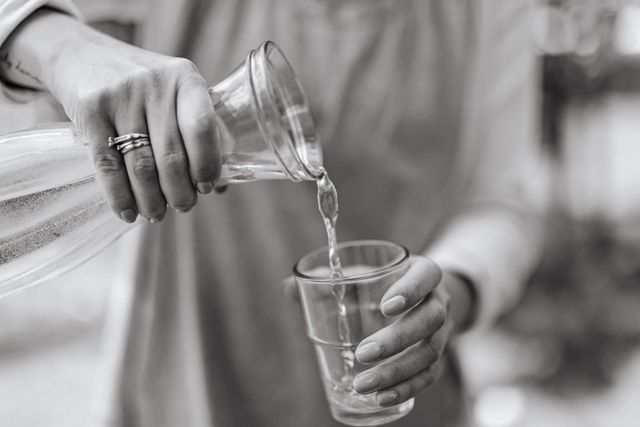
Most of us know we should drink more water. We have heard it from doctors, read it in articles and seen it in countless wellness posts. Yet somewhere between morning coffee, back-to-back meetings and an afternoon soft drink, the water bottle sits untouched on the desk. By evening, the headache, tiredness and slightly foggy feeling have set in.
Staying hydrated does not have to be complicated. It is mostly about habits and making water more appealing. For people who find plain water boring, alternatives such as canned sparkling water can add a little fizz and variety without the sugar found in soft drinks. Here are practical ways to make drinking more water part of everyday life.
Why hydration matters
Water supports many essential functions in the body, including regulating temperature, transporting nutrients, aiding digestion and supporting concentration and energy.
Even mild dehydration can contribute to fatigue, headaches, reduced concentration and irritability. In hot Australian summers, after exercise or during illness, the risk of dehydration increases.
Start your day with water
Drinking a glass of water soon after waking is an easy habit to establish. Keep a glass or bottle by your bed or next to the kettle as a reminder.
Starting the day hydrated can help you feel more alert and sets a positive tone.
Carry a reusable bottle
Having water within reach makes you far more likely to drink it. A reusable bottle in your bag, car or on your desk acts as a constant visual reminder.
Choose a bottle you enjoy using, whether that is a stylish stainless steel design or one with time markings to track progress throughout the day.
Add flavour naturally
If plain water feels dull, try adding natural flavours. Slices of lemon, lime, cucumber, orange or berries can make water more refreshing. Fresh mint, basil or a few slices of ginger add interest without extra sugar.
Herbal teas, hot or iced, also contribute to fluid intake.
Try sparkling options
For many people, bubbles make water more enjoyable. Sparkling water can feel like a treat and is a good substitute for sugary soft drinks.
Check labels and choose options without added sugar or artificial sweeteners if you are trying to reduce sugar intake.
Link water to daily routines
Attach drinking water to habits you already have. Drink a glass before each meal, after brushing your teeth, when you sit down at your desk or each time you finish a phone call.
Linking water to existing routines makes it easier to remember.
Use reminders
Phone reminders or hydration apps can prompt you to drink regularly, especially if you tend to get absorbed in work.
Some people find it helpful to set targets, such as finishing a bottle by lunchtime and another by the end of the workday.
Eat water-rich foods
Many fruits and vegetables have high water content. Watermelon, cucumber, oranges, strawberries, tomatoes, lettuce and celery all contribute to hydration.
Soups and smoothies can also help increase fluid intake.
Make it easy at home
Keep a jug of chilled water in the fridge. Cold water can be more appealing, especially on hot days. Place glasses within easy reach so family members can serve themselves.
For children, colourful cups and bottles can make drinking water more fun.
Watch for signs of dehydration
Thirst, dark urine, dry mouth, tiredness and headaches can all be signs that you need more fluids. Pale yellow urine is generally a sign of good hydration.
Older adults may feel less thirsty, so regular drinking is important even when thirst is not obvious.
Balance other drinks
Tea and coffee contribute to fluid intake, but sugary drinks and alcohol should be limited. Replacing one soft drink a day with water or sparkling water can make a meaningful difference over time.
Hydration and exercise
Physical activity increases fluid needs, particularly in warm weather. Drinking water before, during and after exercise helps maintain performance and supports recovery. For most people doing moderate exercise, water is enough. During long or intense sessions in hot conditions, some people may benefit from drinks containing electrolytes, but these are not necessary for everyday activity. Weighing yourself before and after a long workout can give a rough idea of how much fluid you have lost. Paying attention to thirst and taking regular breaks to drink can help you stay safe and comfortable.
Small habits, lasting benefits
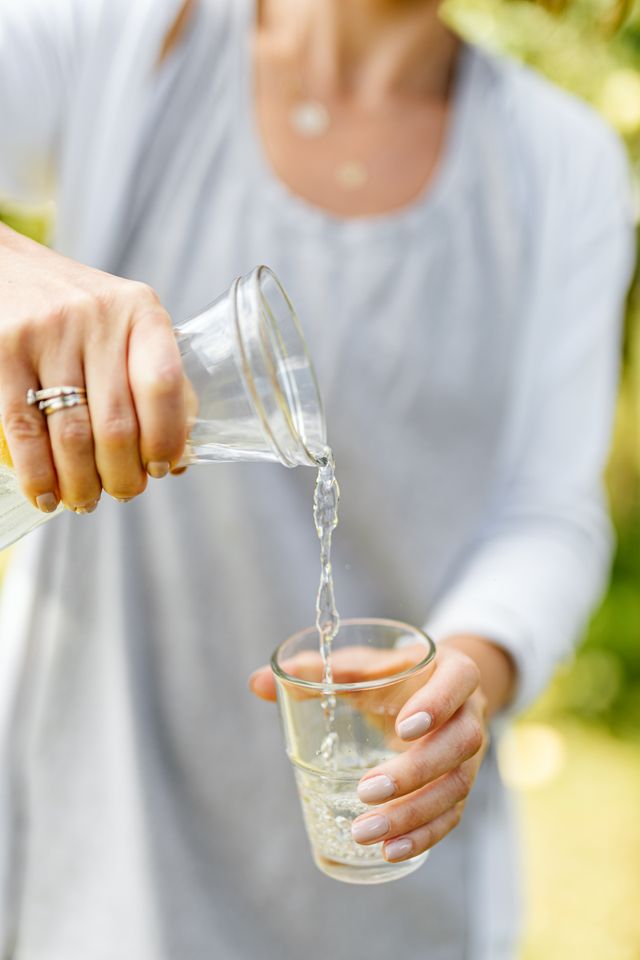
Drinking more water is one of the simplest ways to support your health and wellbeing. With a few easy changes, staying hydrated can become second nature, helping you feel more energised and focused every day.






Leave a comment