


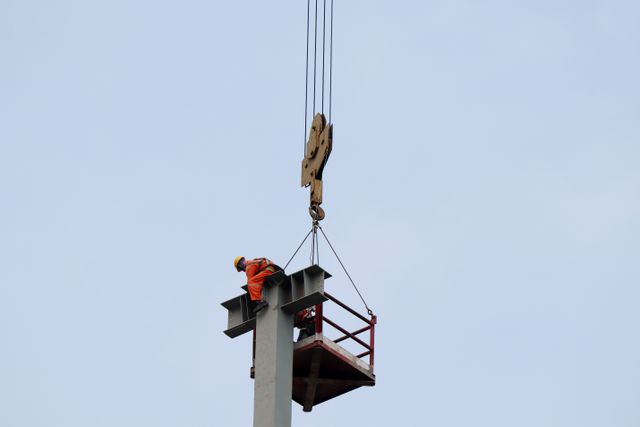
Heavy lifting on a worksite is one of those things that can look straightforward from a distance and become complicated very quickly once the real conditions are factored in. Load weight matters, obviously, but so do access, ground conditions, reach, clearance, setup time and the type of work being carried out around the lift. The right equipment can make the job safer and more efficient; the wrong choice can create delays before the lift has even started.
That’s why working with a specialist provider such as Sventek Cranes can be useful when a project involves more than simply “needing a crane.” Different jobs place very different demands on lifting equipment, and selecting the right machine often starts with understanding the site rather than choosing the largest option available.
Bigger Isn’t Automatically Better
There’s an understandable temptation to assume that a larger crane gives you more flexibility. In some situations, it does. A higher lifting capacity or longer reach can create useful headroom when the load is substantial or access is difficult, but bigger equipment also comes with practical trade-offs. It may require more setup space, stronger ground conditions and more complicated access, and on a restricted site, an oversized machine can actually create more problems than it solves.
The better approach is to match the crane to the lift. That means considering not just the maximum weight of the load, but where it needs to be picked up from, where it needs to go and how far the crane needs to reach while carrying it. A load that seems modest in weight can still require significant capacity if it needs to be lifted at a long radius.
Site Access Can Determine the Entire Plan
Before any lifting equipment arrives, the site needs to be able to accommodate it. Narrow streets, overhead powerlines, soft ground, low clearances and restricted entry points can all affect what is practical. Urban construction sites often have particularly limited room, especially where neighbouring buildings, parked vehicles and pedestrian traffic restrict setup options.
This is why access planning should happen early rather than on the morning of the lift. If the crane can’t get into position safely, the job may need to be rethought entirely. Sometimes the best solution is a more compact crane with different reach characteristics, while in other cases the lift may need to be staged from another part of the site.
Ground Conditions Matter More Than They Look
A crane transfers significant loads into the ground through its tyres, tracks or outriggers. What appears to be a flat, solid surface may not necessarily be capable of supporting those forces safely. Recently filled ground, soft soil, underground services and voids can all create problems, and even paved areas may need closer assessment depending on what lies underneath.
Proper setup may involve outrigger pads, mats or other measures to distribute the load. The exact requirements depend on the crane, the lift and the site conditions, which is one of the reasons lifting plans should be based on more than visual assumptions. The surface may look fine while hiding conditions that affect stability.
Reach Is Often More Important Than Weight
People naturally focus on how heavy something is, but crane selection is heavily influenced by how far the load needs to move horizontally from the machine. Lifting a heavy item close to the crane can be very different from lifting the same item over a roof, behind another structure or across a large section of the site.
As the working radius increases, available lifting capacity generally changes, so accurate information about the lift path is essential. The operator or lift planner needs to know the approximate pick-up point, final position and any obstacles between the two. A crane that can comfortably lift a certain weight in one position may not be suitable for that same load at a much greater reach.
Think About What’s Happening Around the Lift
A crane doesn’t operate in isolation. There may be workers on foot, deliveries arriving, vehicles moving through the site and other trades trying to continue their work. A lift that looks simple mechanically can become risky if the surrounding area isn’t controlled properly.
Exclusion zones, communication procedures and clear responsibilities help reduce confusion. Everyone involved should understand who is directing the lift and when other people need to stay clear. On busy sites, timing can make a major difference too, and scheduling a lift during a quieter period may reduce congestion and make setup easier.
Weather Can Change the Decision
Outdoor lifting is affected by conditions that are easy to underestimate. Strong wind can be especially significant when handling large or awkward loads, and a relatively light object with a large surface area may be much more difficult to control in windy conditions than a compact heavier load.
Rain can also affect visibility, ground conditions and site access, while extreme heat may influence how long crews can work safely. This is why lift plans sometimes need flexibility. The safest decision on a particular day may be to delay or change the approach rather than forcing the original plan to proceed.
The Load Itself Needs to Be Understood
Two loads with the same weight can behave very differently. A compact piece of machinery may be relatively simple to rig, while a long structural element can require more complicated lifting points and control. Fragile items, awkward shapes and loads with uncertain centres of gravity may all need special handling.
The lifting method should account for how the load is constructed and where it can safely be supported. Rigging equipment, spreader bars and lifting attachments may all form part of the solution depending on the job. This planning is particularly important when the item is expensive, delicate or difficult to replace.
Experience Matters Most When the Site Isn’t Ideal
Straightforward lifts are one thing. Restricted sites, awkward loads and unusual access conditions are where experience becomes especially valuable. A specialist team can look at the job as a whole rather than focusing only on the crane itself, helping identify potential access issues, recommend suitable equipment and plan how the lift should be staged.
That doesn’t remove the need for site-specific assessments, but it can prevent avoidable mistakes early. Often, the best lifting solution is not the most obvious one.
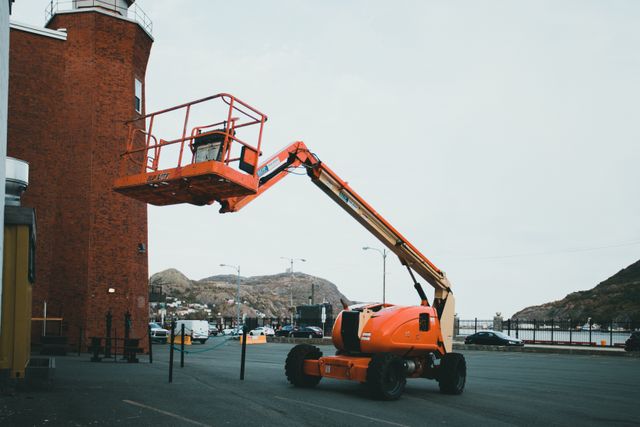
Good Planning Makes Heavy Lifting Look Easy
When a crane lift goes smoothly, it can look almost effortless. The machine arrives, sets up, lifts the load and moves it into position without drama. What isn’t obvious is the amount of planning that may have happened beforehand: load details were checked, access was assessed, equipment was selected, ground conditions were considered and the work area was coordinated.
That preparation is what makes the actual lift look simple. Choosing lifting equipment should therefore start with the full job rather than one number on a specification sheet. Weight, radius, access, ground conditions, weather and surrounding activity all matter. Get those factors right, and the crane becomes what it should be: the tool that makes the difficult part of the job feel controlled.






Leave a comment